Creating a home workspace that fosters both relaxation and productivity is essential, especially as many of us continue to work remotely or spend more time at home. Striking the right balance between comfort and efficiency can help you stay motivated, reduce stress, and maintain a healthy work-life routine. Here, we explore practical tips and ideas to help you create a workspace that supports your goals while keeping you relaxed.
Choose the Right Location
Finding the right spot for your home workspace lays the foundation for your productivity and comfort.
– Pick a Quiet Area: Opt for a room or corner away from the main living areas to minimise distractions.
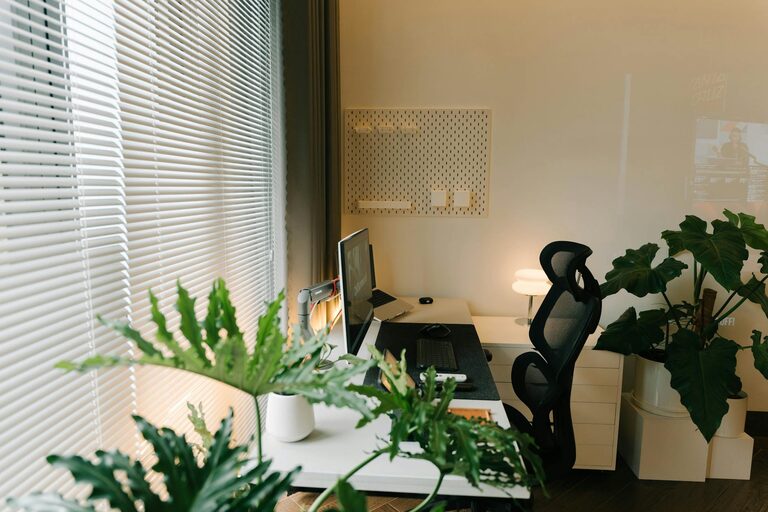
– Consider Natural Light: A space near a window with plenty of natural light can boost your mood and focus.
– Avoid Clutter Zones: Stay clear of high-traffic areas or places where clutter tends to build up, as this can be mentally draining.
Invest in Comfortable Furniture
Your furniture choices directly affect how long you can work productively without discomfort.
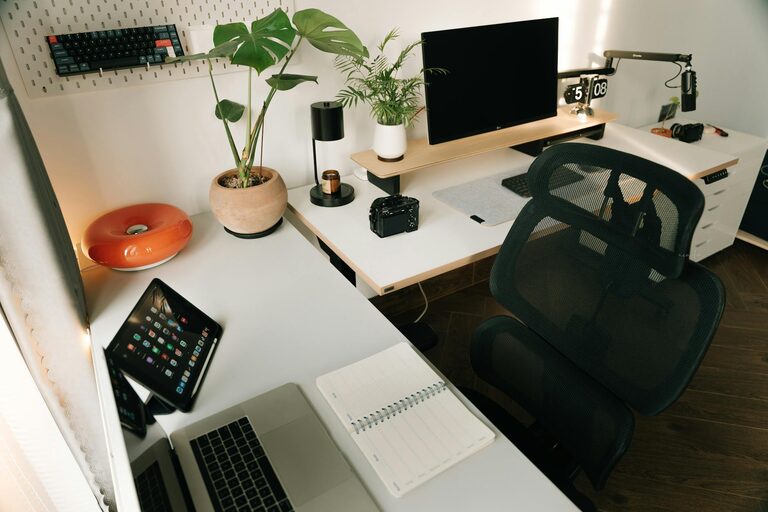
– Ergonomic Chair: Select a chair that supports your back and encourages good posture.
– Adjustable Desk: If possible, use a desk with adjustable height so you can switch between sitting and standing.
– Desk Size: Ensure your desk has enough space for your computer, documents, and any tools you frequently use.
Optimise Lighting
Good lighting reduces eye strain and creates a pleasant atmosphere.
– Natural Light: As mentioned, maximise daylight where possible.
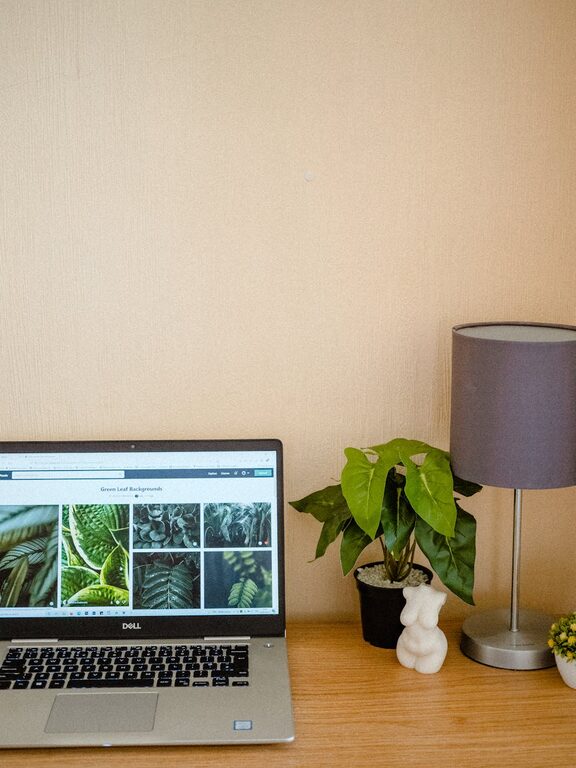
– Task Lighting: Use a desk lamp for focused task lighting during darker hours.
– Avoid Glare: Position your screen and lights to prevent glare that can cause headaches or eye fatigue.
Keep Your Workspace Organised
An organised workstation helps keep your mind clear and productivity high.
– Use Storage Solutions: Drawers, shelves, or filing cabinets can keep documents and tools neatly stored.
– Declutter Regularly: Spend a few minutes each day tidying your desk to maintain a clean environment.
– Cable Management: Use clips or ties to keep cords under control and out of the way.
Personalise Your Space
Adding personal touches can make your workspace inviting and reduce stress.
– Incorporate Plants: Small potted plants or succulents can purify the air and provide a calming effect.
– Add Meaningful Objects: Photos, artwork, or inspirational quotes can keep you motivated.
– Choose Calming Colours: Soft, neutral colours on walls or accessories can create a soothing environment.
Incorporate Relaxation Elements
To maintain a relaxed mindset, consider elements that help you unwind during breaks.
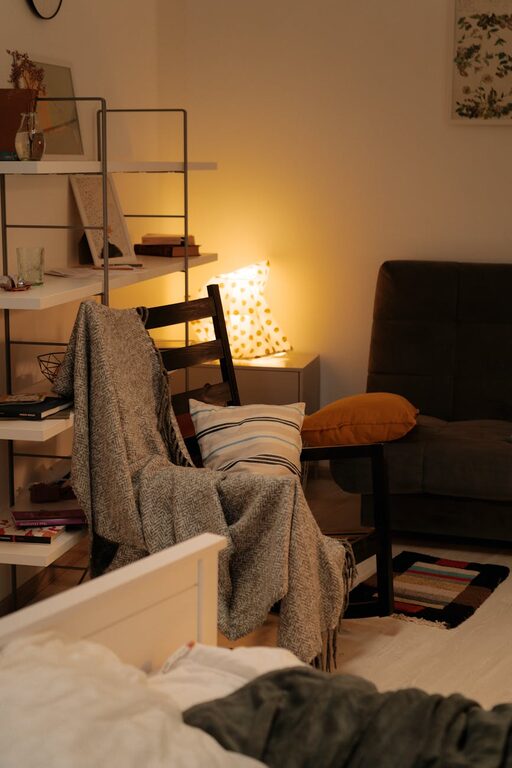
– Comfortable Seating: If space allows, include a small armchair or cushion where you can take short rests.
– Aromatherapy: Scented candles or essential oil diffusers can create a peaceful atmosphere.
– Background Sound: Soft instrumental music or nature sounds may enhance focus and relaxation.
Set Boundaries and Routine
A structured routine and clear boundaries help separate work time from personal time.
– Regular Work Hours: Define and stick to a schedule that suits your lifestyle to avoid burnout.
– Breaks: Take short, frequent breaks to stretch or breathe deeply, helping to refresh your mind.
– Limit Distractions: Inform family members or housemates of your work hours to reduce interruptions.
Utilise Technology Wisely
Technology can be a double-edged sword; the right tools enhance work, but excessive use can cause fatigue.
– Use Productivity Apps: Calendars, to-do lists, and time trackers keep you organised.
– Avoid Multitasking: Focus on one task at a time to improve efficiency.
– Manage Notifications: Silence non-essential notifications during work to maintain concentration.
Maintain Physical Health
Taking care of your body supports long-term productivity and comfort.
– Stretching Exercises: Incorporate simple stretches to reduce tension from sitting.
– Stay Hydrated: Keep a water bottle nearby to remind yourself to drink regularly.
– Healthy Snacks: Have nutritious snacks on hand to maintain energy without causing sluggishness.
Regularly Review and Improve Your Space
Your needs and preferences may evolve, so it’s good practice to revisit your workspace setup.
– Reflect on Comfort and Efficiency: Identify areas that cause discomfort or hinder productivity.
– Make Adjustments: Don’t hesitate to rearrange furniture or change accessories to better suit your workflow.
– Seek Feedback: If you share your workspace, ask others for input on improvements.
—
By thoughtfully designing your home workspace with these tips, you can create an environment that supports both relaxation and productivity. A well-arranged and personalised space not only enhances your performance but also contributes to your overall well-being while working from home.