Creating a productive home workspace tailored to your individual needs can make a significant difference in your work efficiency and overall comfort. Whether you work remotely full-time or occasionally, a well-thought-out workspace helps maintain focus and separates work from leisure. Here are some useful tips to help you design a home office that works for you.
Assess Your Needs and Work Style
Before setting up your workspace, it’s essential to understand what you require for your specific tasks and habits.
– Identify Your Work Type: Do you primarily use a computer, handle papers, or participate in video calls? Your equipment and space should support these activities.
– Consider Your Working Hours: If you work early mornings, bright natural light might be ideal. For late-night work, adjustable lighting can reduce eye strain.
– Think About Your Space Availability: Are you dedicating an entire room or a corner? Choose a spot that allows you to focus without distractions.
Choose the Right Location
Selecting the correct spot in your home is vital for both productivity and comfort.
– Quiet and Private: Aim for a space with minimal noise and interruptions.
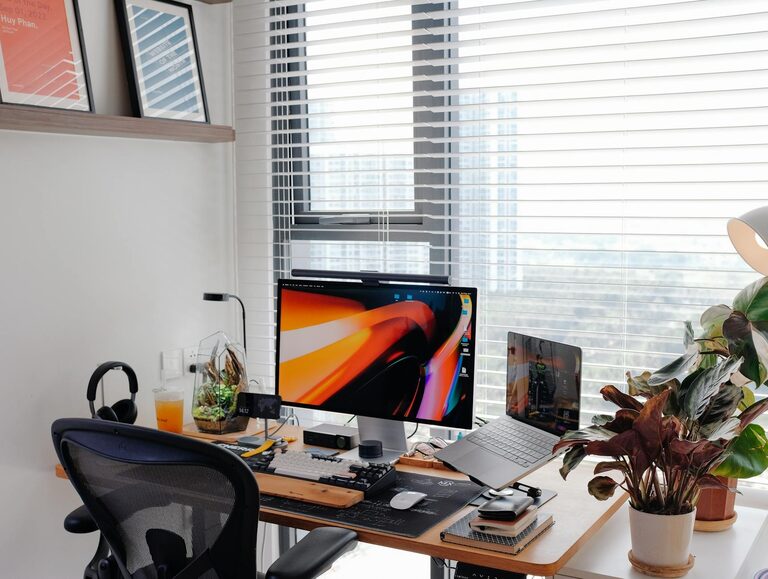
– Natural Light: Place your desk near a window if possible; natural light can boost mood and alertness.
– Ventilation: Ensure good airflow to keep the environment fresh and comfortable.
Invest in Comfortable and Functional Furniture
Your furniture should support healthy posture and efficient work.
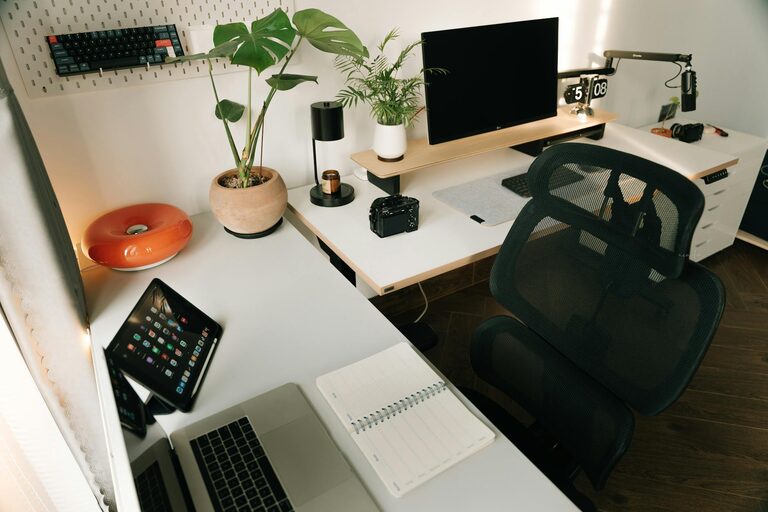
– Ergonomic Chair: A chair with adjustable height and good back support helps avoid discomfort and fatigue.
– Desk Size: Choose a desk large enough to accommodate your equipment yet fits well within the space.
– Storage Options: Shelving, drawers, or filing cabinets keep your workspace organised and clutter-free.
Optimise Your Technology Setup
Equip your workspace with the technology suited to your tasks.
– Reliable Internet Connection: Essential for smooth communication and access to online resources.
– Monitor Positioning: Position screens at eye level to reduce neck strain.
– Cable Management: Use clips or organisers to keep cords tidy and out of the way.
Create an Organised Environment
An orderly space helps maintain focus and efficiency.
– Declutter Regularly: Remove unnecessary items daily or weekly.
– Use Organisers: Trays, boxes or folders keep supplies and documents sorted.
– Personal Touches: Add a few items you enjoy, like plants or photos, to make the space inviting without distracting.
Manage Lighting Effectively
Good lighting is critical for comfort and productivity.
– Combine Natural and Artificial Light: Layer lighting sources to avoid glare or shadows.
– Choose Warm or Cool Light: Cooler light improves alertness, while warmer light can ease eye strain.
– Adjustable Desk Lamp: Useful for detailed tasks or when natural light is insufficient.
Set Boundaries and Establish a Routine
Maintaining a clear separation between work and home life is important when working from home.
– Define Working Hours: Stick to specific start and finish times.
– Designate Your Workspace for Work Only: Avoid using it for leisure activities to help your brain associate it with focus.
– Take Breaks Away from the Desk: Stand, stretch or move around to refresh your body and mind.
Consider Your Wellbeing
Don’t overlook comfort and health in your workspace setup.
– Ergonomic Accessories: Support your wrist with mats or use footrests if needed.
– Air Quality and Temperature: Keep the space well-ventilated and at a comfortable temperature.
– Incorporate Plants: Indoor plants can improve air quality and create a calming atmosphere.
Personalise and Adapt
Your home workspace should evolve as your needs change.
– Review Your Setup Regularly: Adjust desk layout, lighting or tools if you notice discomfort or decreased productivity.
– Experiment with Layouts: Sometimes just moving furniture can improve the feeling of the space.
– Keep Learning: Stay open to new ideas and solutions to enhance your work environment.
—
By carefully planning and regularly adjusting your home workspace, you can create an environment that not only supports productivity but also promotes comfort and wellbeing. Small changes often make a big difference, so start with what you have and build up your ideal space over time.